Europe's Commercial Solar Sector: A Cooling Trend After the Boom?

After a period of explosive growth driven by an unprecedented energy crisis, Europe's solar photovoltaic (PV) market is entering a new, more complex phase. While the past few years saw record-breaking installation numbers as businesses and nations scrambled for energy security, 2024 has brought a distinct cooling of the market.
This isn't a crash, but rather a significant stabilisation. The frantic urgency has subsided, revealing a landscape marked by new economic and structural hurdles that are reshaping the sector's trajectory.
A Dramatic Change of Pace
The numbers paint a clear picture of this shift. According to industry body SolarPower Europe, the overall growth rate of the EU solar market plummeted from a staggering 53% in 2023 to just over 4% in 2024. While the total installed capacity still set a new record of around 65.5 GW, the pace of deployment has slowed dramatically.
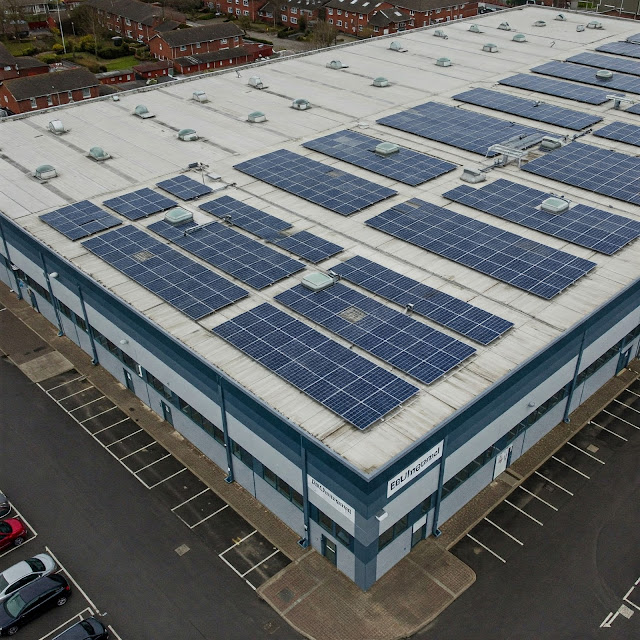
Within this broader trend, the Commercial and Industrial (C&I) sector has shown relative resilience. Unlike the residential market, which saw a sharp drop in installations, the C&I segment managed modest growth, increasing its market share to 39%. However, even this resilient sector is not immune to the significant headwinds now buffeting the industry.
The New Economic Reality: High Interest Rates
One of the primary factors dampening investment is the new economic climate. The era of ultra-low interest rates, which helped fuel the initial renewable energy boom, is over. Central banks across Europe have raised rates to combat inflation, making borrowing significantly more expensive.
Commercial solar projects are capital-intensive, requiring substantial upfront investment. Higher interest rates directly increase the cost of financing these projects, squeezing profit margins and making businesses more cautious about committing to large-scale installations. This has led to a re-evaluation of project economics, causing delays and cancellations.
The Gridlock: A Major Infrastructure Bottleneck
Perhaps the most critical long-term challenge is the state of Europe's electricity grids. The infrastructure, built for a different era of centralised fossil fuel power, is struggling to cope with the rapid influx of decentralised renewable energy.
Grid connection delays have become a major bottleneck across the continent. In many regions, developers are facing years-long waiting times to get their solar projects connected to the network. A recent report highlighted that a staggering 1,700 GW of renewable energy projects are currently stuck in connection queues across Europe. This physical constraint is a massive brake on the market's potential growth.
Furthermore, the lack of system flexibility (specifically, insufficient battery storage) means that during sunny periods, there can be an oversupply of electricity, leading to "negative power prices." This further erodes the business case for solar producers and adds another layer of uncertainty for investors.
.png)
Looking Ahead
The cooling of the European commercial solar market in 2024 is a reality check. The phase of easy, rapid growth driven by panic over energy prices is behind us. The future success of the sector now depends on addressing deep-seated structural issues.
Governments and policymakers must prioritise investment in grid modernisation and flexibility solutions like energy storage. Without these essential upgrades, Europe risks missing its ambitious 2030 climate targets. The technology is ready, but the infrastructure to support it is lagging behind.
What are your thoughts? Is this a temporary blip, or a sign of a more permanent slowdown for commercial solar in Europe?
Summary of Key Drivers Affecting the Market
- The Post-Crisis Shift: Reduced urgency regarding energy prices and the easing of panic over the energy crisis means there is lower immediate financial incentive for rapid installation.
- Economic Headwinds: High interest rates and increased borrowing costs have made capital-intensive commercial projects harder to finance.
- Infrastructure Bottlenecks: Grid connection delays and limited capacity mean projects are stuck in queues waiting for upgrades.
Data Sources: SolarPower Europe, International Energy Forum, Clean Energy Wire.


Comments
Post a Comment